Accelerating insights with Flexible Schema
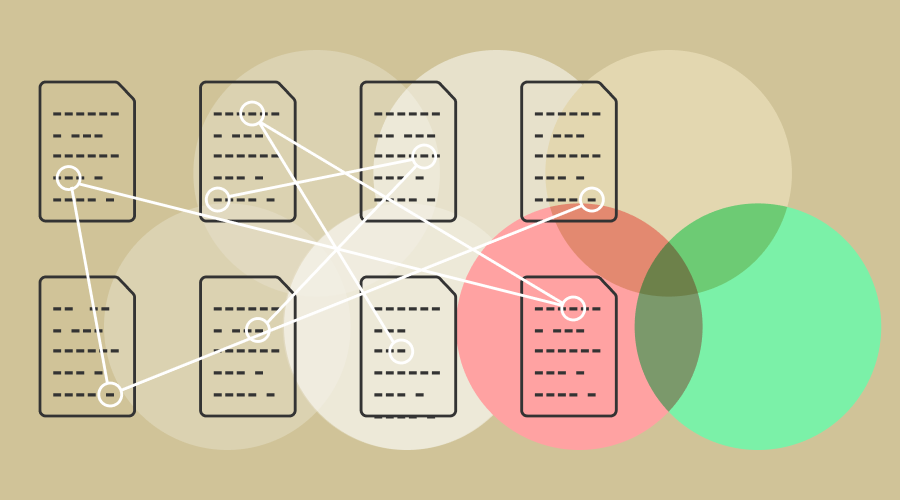

Making sound operational decisions depends on having a complete picture of your environment. For most manufacturers that picture doesn't exist, and it's usually not because the data is missing or incomplete. It's because these systems weren’t designed to work together in the way that manufacturers need them to. For example, different events tied to the same asset or product are oftentimes tracked by different IDs, i.e. warranty claims might be tracked by VIN while paint defects are tracked by body serial number. Without a way to connect this data, it is difficult for teams to get a complete picture of what’s happening in order to take appropriate action.
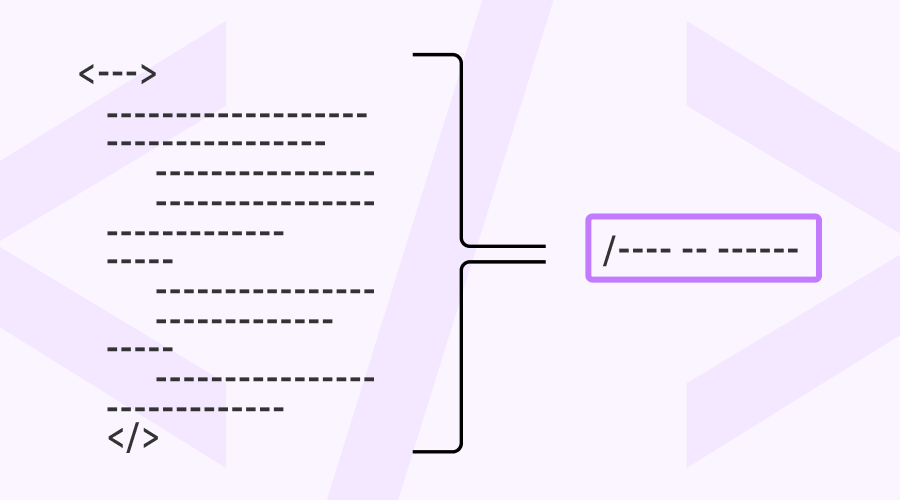
We built Flexible Schema to fix that. It is “flexible” because it adapts to your data instead of forcing it into a fixed, predefined format. Because it works with your data in whatever format it is in, onboarding takes hours instead of weeks, helping teams derive insights from their data faster.
Why fixed data models fall short
Most platforms are built with a specific structure. The vendor predefines the model, determines the value of certain fields like what constitutes as an asset or an event and how everything connects. But that approach doesn’t work for how manufacturers label and categorize their data. Every manufacturer approaches this process differently; plant managers use their own names, conventions, and measurements, which can sometimes vary within the same organization.
If your organization has defined data relationships that can’t be represented in your platform, your team will resort to building workarounds. Fields get repurposed for things they were never meant to be used for, and single columns might end up containing multiple sets of unrelated data. The result is messy, inconsistent data that’s hard to trust when the team needs to make critical decisions. On the other hand, a flexible model adapts to your organization’s data requirements and how you define your assets, events, and relationships.
How it works with Flexible Schema
With Viaduct’s Flexible Schema, you define the model simply by describing your world, using three building blocks:
- Assets: The things you track, such as machines, production lines, vehicles, engines, plants, and tools. Whatever counts as “the unit” in your business at whatever level of detail you need.
- Events: The things that happen to those assets, such as repairs, inspections, test results, work orders, downtime, and complaints.
- Catalogs: The reference lists your data relies on, such as parts, suppliers, fault codes, and labor operations.
For each one, you define the fields, the types (text, numbers, dates, true/false, lists, structured values), and what fields are required.
Relationships you define, not ones defined for you
Most platforms hard code how your data should be connected, like how warranty claims relate to vehicles or how results tie back to the line that produced them. But that’s where things start to break down.
When a platform can’t capture a relationship the way your business needs, people rebuild that logic in each report and sometimes differently each time. That’s how you end up with different numbers that no one can reconcile or trust.
With Flexible Schema, you define which fields relate to one or multiple fields.
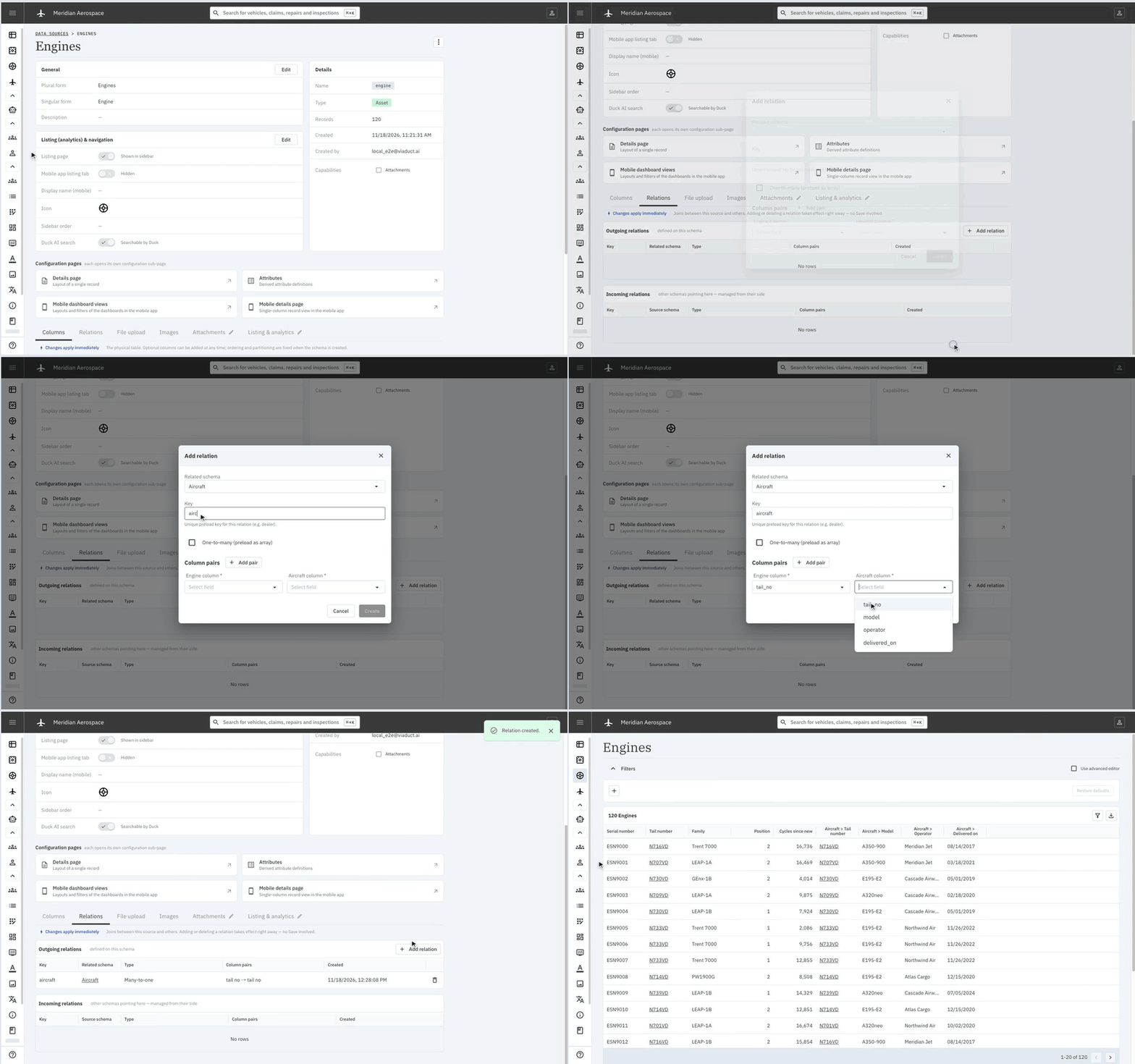
For example, a warranty claim can relate to both the vehicle and the engine inside it, which is how you can uncover engine failures across many vehicles.
But with a fixed model, you’re forced to link the claim to either the vehicle or the engine, so the engine pattern stays hidden.
Why IT loves Flexible Schema
Adding a new data source usually requires IT to build it, keep it running, and fix it when it breaks. With everything else on their plate, this work can easily fall at the bottom of the list of to do’s, and it can end up being weeks or months before the team can use the new data.
Flexible Schema makes that job much easier. It takes the work off IT’s plate and lets users do it themselves. Teams can add a new data source themselves which can be done in an afternoon.
At the same time, flexibility doesn’t mean giving up control. Rules and processes can be defined in the schema. Every column has a type, and you can mark the fields that have to be there. Data gets checked against that before it is ingested into the platform so nothing gets into the platform that doesn’t meet your standards. What happens when next year rolls around and you realize you need to add another field? You can add it and it won’t break anything. Only administrators can change the schema, and none of this replaces the systems you already run.
In summary, Flexible Schema provides:
- Faster data modeling
- Always-on analysis
- Single view of all your data sources
- Less work for IT
Want to see how quickly you can add new data sources with Flexible Schema? Watch this short video.